
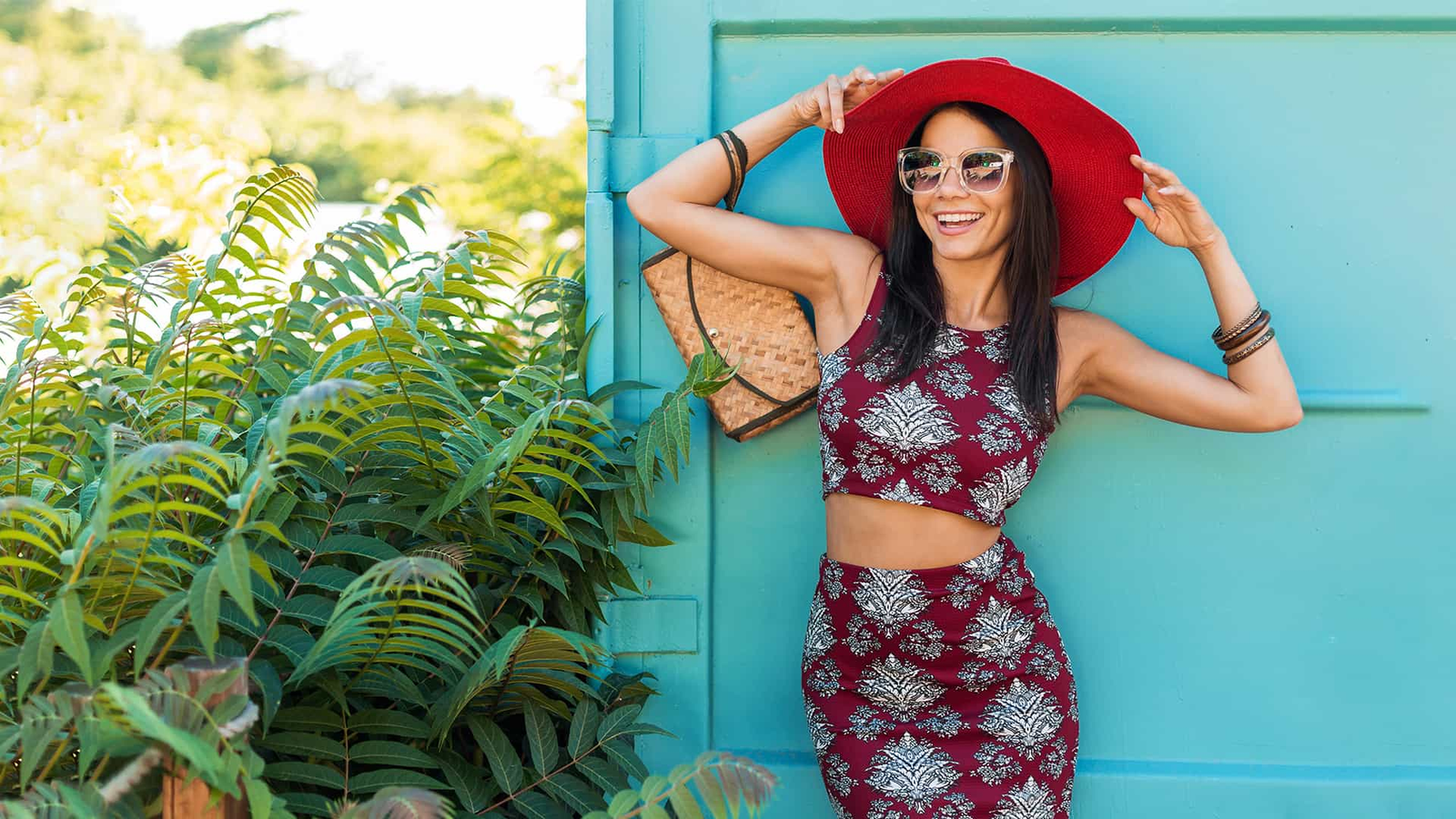
Fashion has always been an important part of my life, but it wasn’t until recently that I truly started thinking about the environmental impact of my wardrobe. Like most of us, I used to chase trends without considering how often those clothes ended up in landfills. But over time, as I learned more about sustainable practices, I started feeling the need to make a change—not just for me, but for the planet too.
Looking ahead to 2025, I’m feeling optimistic about the future of fashion, especially with the growing awareness of sustainability. It feels like we’re on the verge of a revolution in the industry, one that embraces eco-friendly practices while still celebrating creativity and individuality. Here’s a glimpse of how I see sustainable fashion evolving over the next few years—and why I’m so excited about it.
1. Eco-Friendly Fabrics: Comfortable and Conscious Choices
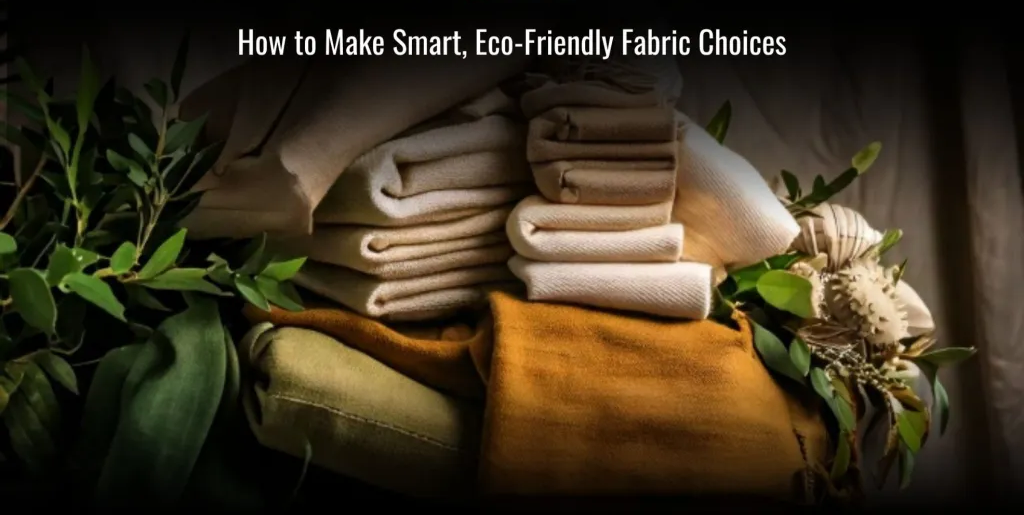
A few years ago, I didn’t even think twice about what went into making my clothes. But once I started learning about the environmental impact of synthetic fabrics, I realized I wanted to make better choices. Now, I look for clothes made from organic cotton, hemp, Tencel, and recycled materials. They feel so much better on my skin, and the fact that they’re biodegradable or require fewer resources to make makes me feel good about my purchases. By 2025, I think these sustainable fabrics will become more mainstream, and I’m all for it. Fashion that’s comfortable and kind to the Earth? Yes, please!
2. Thrift Shopping: Finding Hidden Gems and Saving the Planet
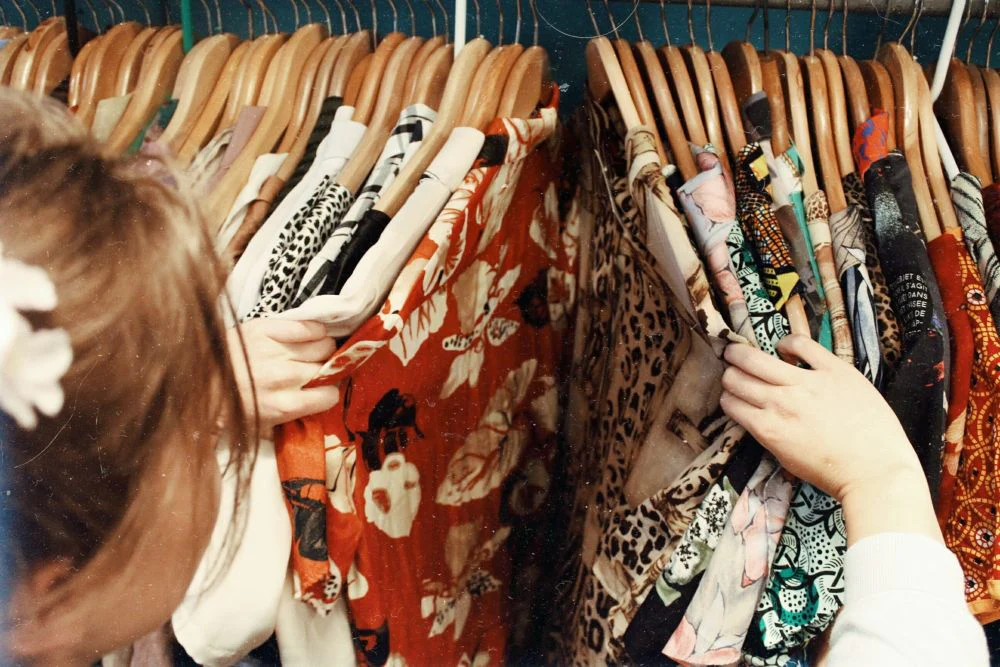
Thrift shopping has become my go-to way to refresh my wardrobe. There’s something so exciting about finding that one-of-a-kind piece that no one else has, and knowing I’m doing my part to reduce waste. I used to shop fast fashion without a second thought, but now I prefer exploring second-hand stores or online resale platforms. It’s not just about saving money; it’s about being part of a circular fashion economy. And honestly, I think 2025 will be the year when more people embrace second-hand shopping—not because it’s cheap, but because it’s the most sustainable option.
3. Investing in Timeless Pieces: Quality Over Quantity
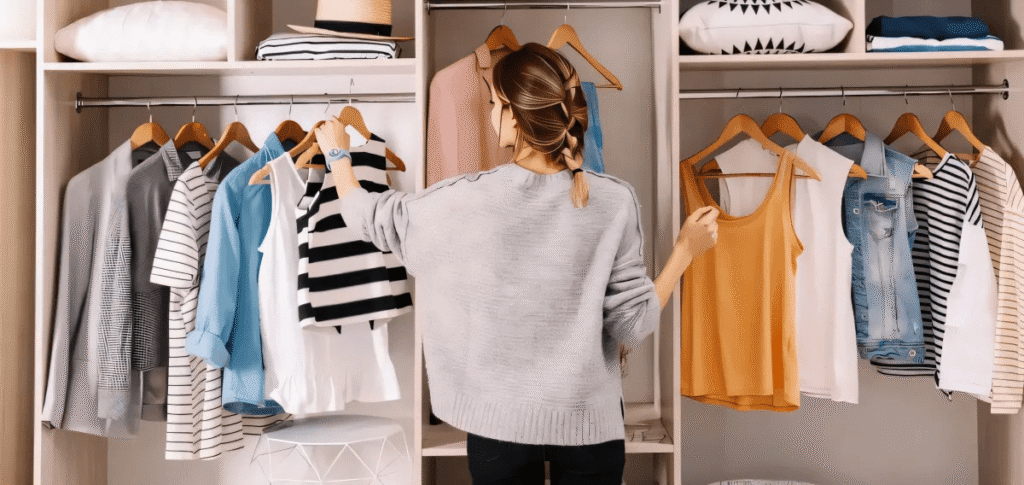
One of the best decisions I’ve made in recent years is to stop buying clothes I don’t need. I used to be all about trends—buying fast, cheap clothes to stay in style. But after seeing how poorly those items held up, I switched to investing in timeless, quality pieces that will last. Now, when I buy something, I ask myself, “Will this last for years?” and “Do I truly love it?” The answer is always a resounding “Yes.” In 2025, I’m confident that more people will begin to focus on buying fewer, but better, items. It’s more sustainable, and honestly, it feels so much better to buy something I know I’ll wear again and again.
4. Renting Clothes: A Smart, Sustainable Choice
I used to think renting clothes was something reserved for brides and party-goers, but over the past few months, I’ve realized just how practical—and sustainable—it can be. Renting clothes allows me to wear something fresh for a special occasion without the guilt of buying something I might only wear once. I recently rented a beautiful dress for a wedding, and it was a game-changer. In 2025, I think renting clothes will become even more popular, especially for those who want to look stylish without adding to their wardrobe.
5. Upcycling: Giving New Life to Old Clothes
Upcycling has become one of my favorite hobbies. Instead of tossing out old clothes that no longer fit or have seen better days, I’ve started to get creative with them. For example, I turned an old, worn-out pair of jeans into a chic pair of shorts, and I’ve been experimenting with adding patches and embroidery to jackets. It’s so fun to breathe new life into something old, and it feels incredibly satisfying. In 2025, I think upcycling will be a big trend—more people will start transforming their old clothes into new, wearable pieces rather than letting them go to waste.
6. Ethical Brands: Supporting the People Behind the Products
When I first started my sustainable fashion journey, one of the hardest things for me was figuring out which brands were genuinely ethical. It’s easy for a company to slap a “sustainable” label on their products, but what does it really mean? I’ve learned to support brands that are transparent about where and how their clothes are made. Knowing that the workers behind my clothes are treated fairly and paid a living wage makes me feel better about my purchases. By 2025, I think more brands will follow this model, and consumers will demand even greater transparency.
7. Minimalist Wardrobe: Less Is More
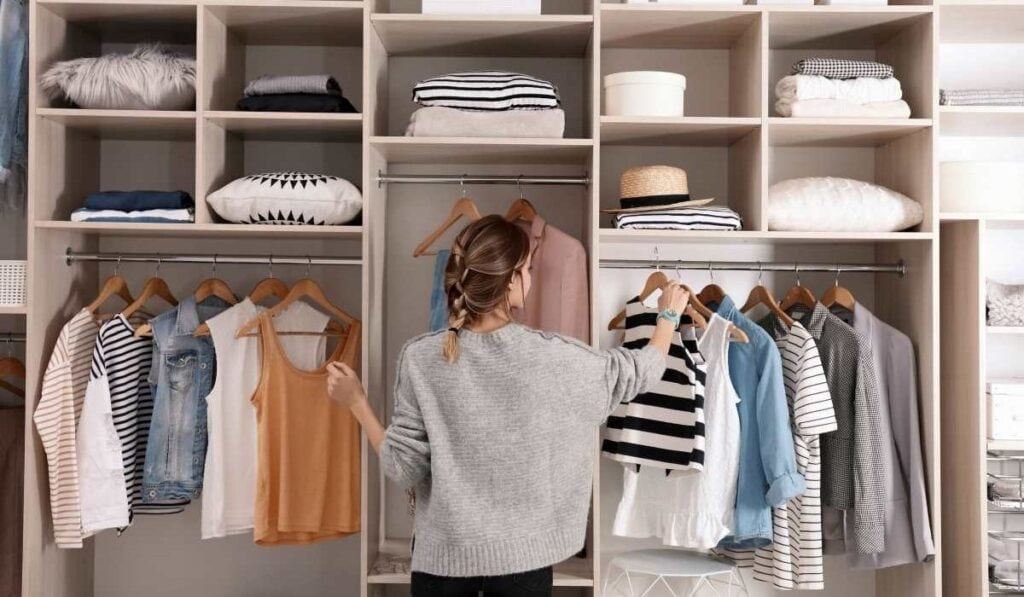
I used to think that the more clothes I had, the better. But after decluttering my closet and embracing a minimalist approach, I’ve realized how freeing it is to have fewer, but more meaningful, pieces. A capsule wardrobe has helped me build outfits with less effort, and it’s saved me money in the long run. In 2025, I believe the minimalist fashion movement will continue to grow. People will focus on investing in versatile, high-quality pieces that serve them well for years, instead of cluttering their closets with things they don’t truly need.
Final Thoughts: A Fashion Future I’m Excited About
Looking ahead to 2025, I’m filled with optimism for the future of fashion. Sustainable fashion isn’t just about making small changes—it’s about embracing a mindset that prioritizes the planet, the people who make our clothes, and the longevity of our wardrobes. I’m proud of the choices I’ve made in my own fashion journey, and I’m excited to see how the industry evolves. I truly believe that 2025 will be the year when sustainable fashion goes from being a niche movement to a mainstream revolution. It’s a change that feels long overdue, and I’m thrilled to be a part of it.
The views and opinions expressed in this article are based on personal experiences and observations about sustainable fashion. The information provided is intended for general informational purposes only and may not reflect the most current trends or developments. Fashion choices and sustainability efforts may vary by region, brand, and personal preference.
#SustainableFashion #EcoFriendlyFashion #FashionRevolution #SlowFashion #ConsciousClothing #GreenFashion #UpcycledFashion #EthicalFashion #MinimalistWardrobe #Carrerbook #Anslation #FashionWithPurpose #SustainableLiving #FashionTrends2025 #EcoChic


Leave a Reply